
Ploughing for Dry lands – Ploughing plays a vital role in the successful cultivation of dry crops.
Ultimately, ploughing the land properly, you can improve soil structure, conserve moisture, and create ideal conditions for crop growth.
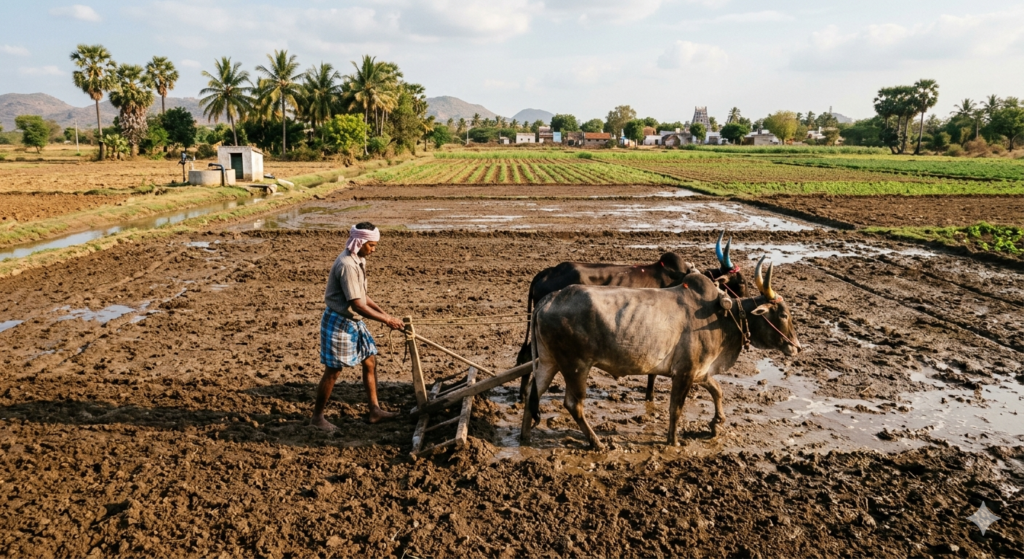
Empirical evidence suggests farmers mainly use this method in dryland agriculture, where water availability remains limited.
Dry land ploughing – Importance
a. From a structural perspective, farmers utilize ploughing to reduce the bulk density of ‘Hardpan’ layers.
b. By disrupting these compacted zones, the soil becomes more porous, allowing plant roots to reach the lower sub-soil moisture zone for sustained growth during dry spells.
c. Specifically, by turning the soil, farmers expose the root nodules of perennial weeds—such as Nut Grass—to high summer temperatures (40°C+).
d. This process leads to permanent desiccation (drying out) of the reproductive parts, effectively terminating their growth cycle without chemical intervention.
e. In addition, it prepares a clean and fine seedbed, which supports proper seed germination.
1.Ploughing – Moisture Conservation
a. From a structural perspective , ploughing also plays a key role in conserving soil moisture.
b. Specifically, deep ploughing breaks the capillary tubes in the soil, which prevents underground water from evaporating into the air.
c. Furthermore, farmers loosen the soil, rainwater enters easily and gets stored within the soil layers.
d. Consequently, crops receive moisture even during dry periods.
e. Specifically, this process becomes especially important in regions that depend on seasonal rainfall.
f. Therefore, proper ploughing helps farmers manage water efficiently in dry farming systems.
2.Methods of Ploughing for Dry Crops
a. In addition to moisture retention, farmers use different ploughing methods based on soil type and available resources.
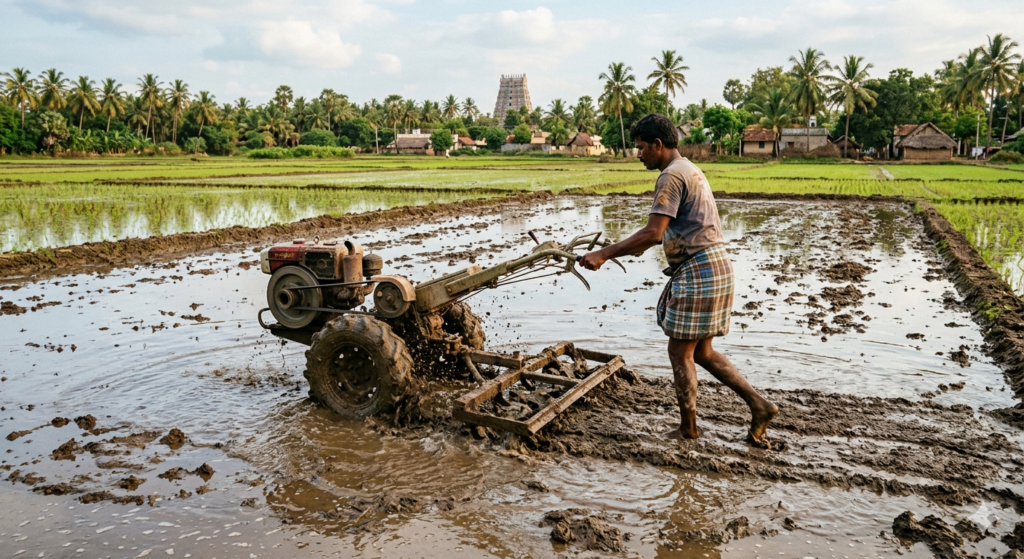
b. Even though traditional wooden ploughs work well for small farms, while tractor-drawn ploughs help cover large areas quickly.
c. Moreover, farmers may use shallow or deep ploughing depending on soil conditions.
d. Finally selecting the right method, they can improve soil structure and crop performance.
According to the TNAU Agritech Portal research on Dryland Agriculture, selecting the appropriate tillage depth is the most critical factor for sustainable yield in semi-arid regions.
3.Best Practices for Effective Ploughing dry lands
a. Most importantly farmers should plough the land during the early dry season for better results.
b. However, they must avoid over-ploughing, as it can lead to soil erosion and loss of nutrients.
c. Alternatively, combining mechanical ploughing with organic manure application significantly enhances long-term fertility.
d. Consequently, adhering to these systematic practices ensures sustainable soil health and optimized crop yields
Ploughing Dry Lands – Benefits
a. In particular ploughing for dry crops supports better soil management and sustainable farming.
b. In deed it improves aeration, conserves moisture, and reduces weed growth.
c. To conclude, proper ploughing techniques will help you to achieve higher productivity and long-term soil health.
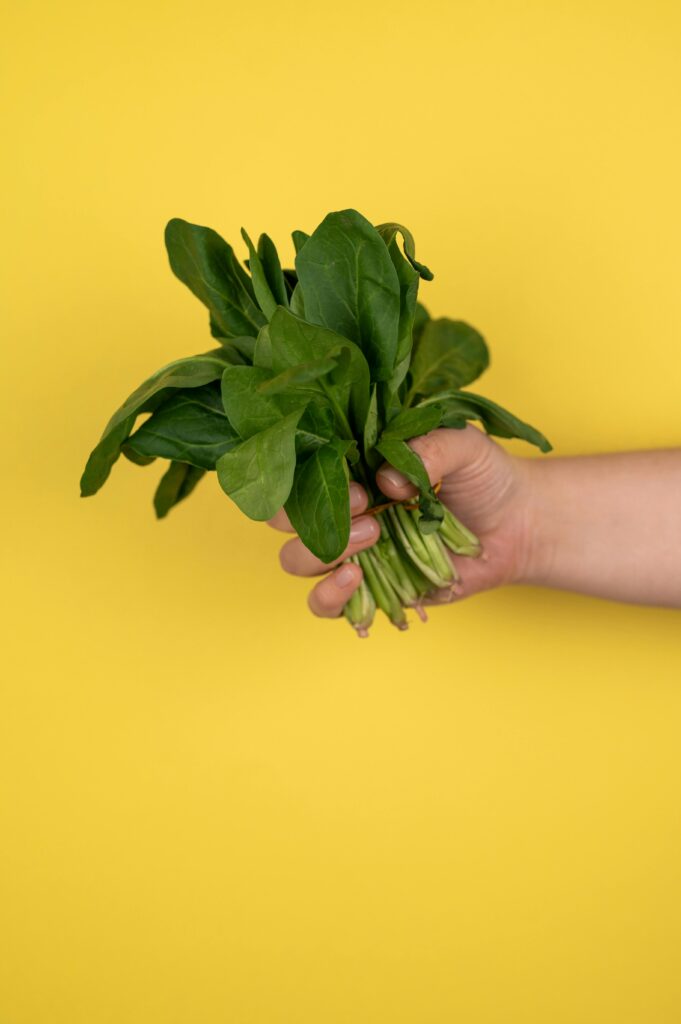
Spinach the organic food product are widely used in organic farming and healthy cooking.
Q1: How does deep summer ploughing specifically conserve soil moisture?
A: Deep summer ploughing is a critical structural intervention that breaks the vertical capillary tubes in the soil. By disrupting these micro-channels, the method prevents sub-surface water from traveling to the surface and evaporating, effectively “locking” moisture within the root zone for the upcoming crop season.
Q2: Why is the thermal desiccation of weeds more effective in dryland agriculture?
A: In semi-arid regions, ploughing during the peak summer months exposes the root nodules and dormant seeds of perennial weeds—such as Nut Grass—to intense solar radiation and temperatures exceeding 40°C. This leads to permanent thermal desiccation, neutralizing invasive species without the need for chemical herbicides.
Source from –
S.Rajappan,
Retd. Agriculture chemist,
Agricultural Department,
State Government of Tamilnadu.
Disclaimer
“I created this website, Iyarkai Food Products, as a sample project for educational and digital marketing study purposes. In fact, the products and business details shown here are imaginary. However, the information regarding organic farming and soil preparation is based on real agricultural research. Consequently, I developed this platform to practice On-Page SEO while sharing accurate farming techniques. Most importantly, please note that this website does not offer real transactions or services.”
Thank you for nice information
It’s very good information