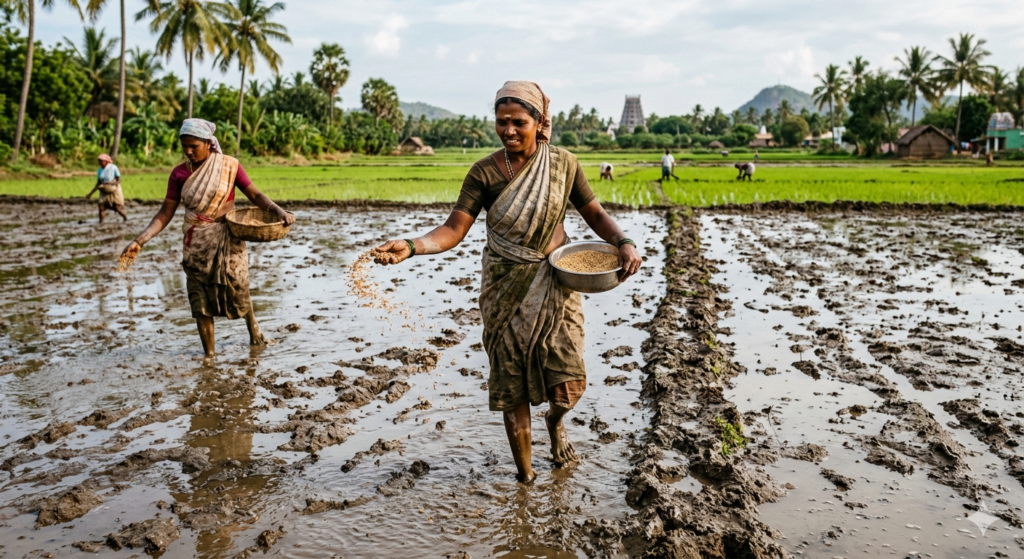
What is puddling in Agriculture is very important question for beginners to know about basic level.
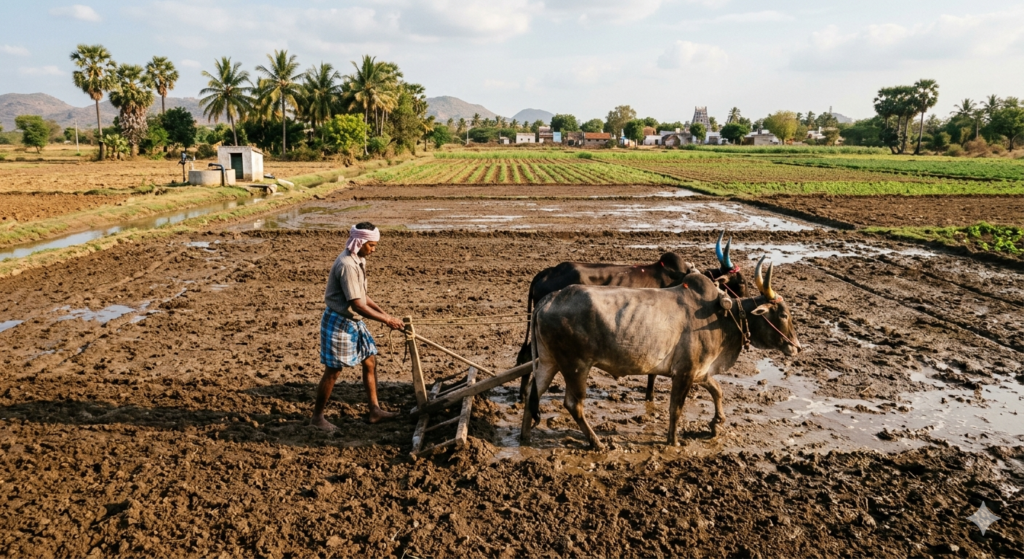
Puddling in agriculture refers to the process of preparing soil by plowing and harrowing it under wet or flooded conditions.
What is puddling
Puddling is a physical process designed to break down soil aggregates into finer particles, creating a dense, clay-like consistency in the field. This is typically done in rice paddies that are flooded with water.
1. Puddling in Agriculture – Breaking Down Soil Aggregates
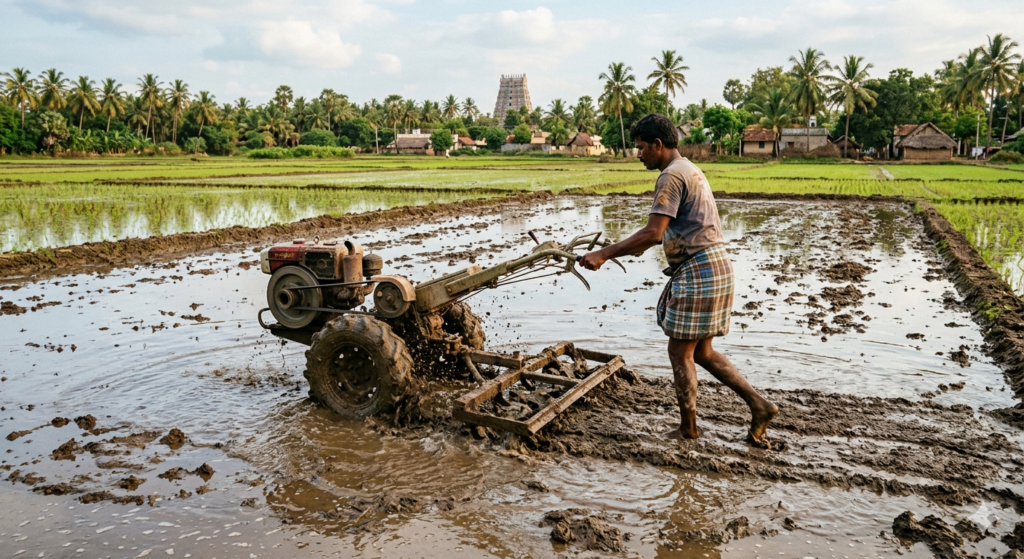
a. Firstly, When the soil is saturated with water, farmers use tools or machinery to churn the soil.
b. As a direct result of this mechanical action, the soil aggregates break apart . As these clumps break down, they release smaller particles of clay and silt.
2. Puddling -Creating an Impermeable Layer
a. Secondly, As these fine particles settle, they fill the spaces between larger soil particles, creating a compact layer called a “hardpan.”
b. Once this impermeable layer forms, it significantly reduces water percolation (water escaping downward into the ground), allowing the field to hold water for long periods, which is essential for rice farming.
c. At the same time farmers should balance its benefits with proper soil management practices.
3.Puddling Agriculture – Nutrient Availability
a. Thirdly, this process also helps to evenly distribute organic matter and nutrients throughout the topsoil, ensuring that the rice plants have access to a rich, nutrient-dense environment as they grow.
b. It also creates favorable conditions for microbial activity, which enhances nutrient availability and supports better uptake by rice plants.
4.Puddling – Uses
a. In the context of sustainable rice farming, puddling plays a crucial role.
b. As a result it helps conserve water, control weeds, and improve nutrient use.
c. Therefore this wisely helps you to achieve better agricultural productivity and maintain soil health.
d. Finally, This process reduces competition for nutrients, sunlight, and space, allowing rice plants to grow stronger.
5.Puddling Agriculture – tips
a. Despite these benefits, it is important to note that puddling has some drawbacks.
b. Therefore continuous puddling can degrade soil structure over time. It may reduce soil permeability and make it difficult to grow other crops after rice.
c. Meanwhile farmers must manage their fields carefully to avoid long-term soil damage.
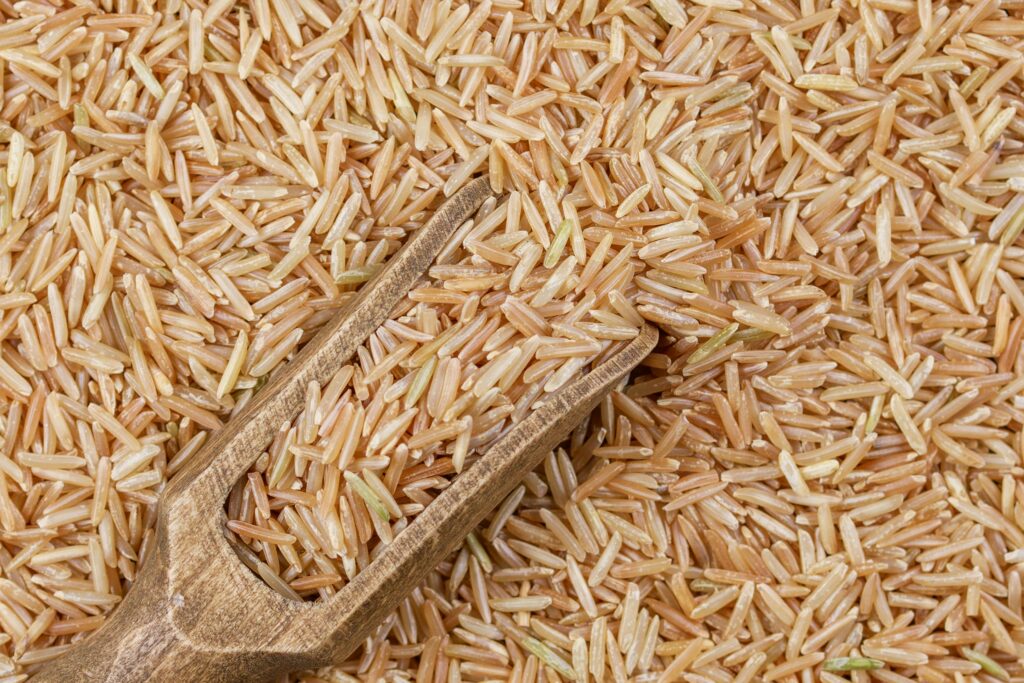
Finally, Pure, Nutrient-Rich Unpolished Rice are widely used in organic farming and healthy cooking.
This technical guide is part of a broader effort by Iyarkai Food Products to reconnect modern learners with the essential principles of organic and sustainable cultivation.
Q1: What is the primary purpose of puddling in rice cultivation?
A: The primary purpose of puddling is to create an impermeable hardpan layer in the soil. By churning flooded soil, farmers break down aggregates into fine particles that seal the soil pores. Specifically, this prevents water from escaping downward, ensuring the field remains flooded for optimal rice growth.
Q2 : Does continuous puddling affect the cultivation of future non-rice crops?
A: Yes, while puddling is beneficial for rice, it can lead to soil structural degradation over time. As a result , the creation of the impermeable hardpan layer reduces the soil’s natural porosity and drainage. Consequently, when a farmer tries to grow non-rice crops like pulses or oilseeds after the rice season, these plants may struggle with poor root penetration and restricted aeration due to the compacted sub-soil.
Source from –
S.Rajappan,
Retd. Agriculture chemist,
Agricultural Department,
State Government of Tamilnadu.
Disclaimer
“I created this website, Iyarkai Food Products, as a sample project for educational and digital marketing study purposes. In fact, the products and business details shown here are imaginary. However, the information regarding organic farming and soil preparation is based on real agricultural research. Consequently, I developed this platform to practice On-Page SEO while sharing accurate farming techniques. Most importantly, please note that this website does not offer real transactions or services.”