
Ploughing for Dry lands – Ploughing plays a vital role in the successful cultivation of dry crops.
Ultimately, ploughing the land properly, you can improve soil structure, conserve moisture, and create ideal conditions for crop growth.
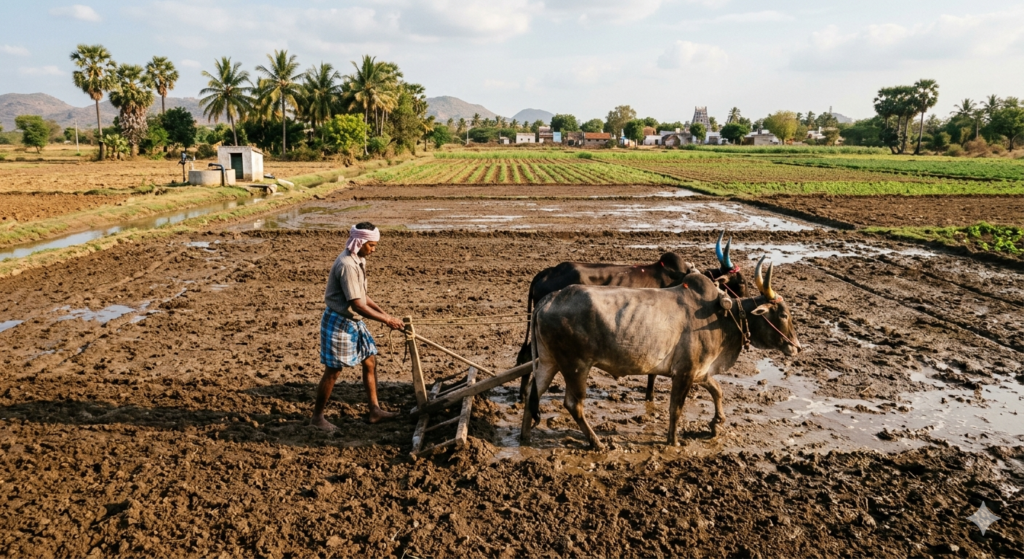
In fact farmers mainly use this method in dryland agriculture, where water availability remains limited.
Dry land ploughing – Importance
a. Firstly, farmers use ploughing to break hard soil layers and improve soil aeration.
b. As a result, plant roots grow deeper and absorb nutrients more effectively.
c. Moreover, ploughing helps control weeds by exposing them to sunlight, which reduces their growth.
d. In addition, it prepares a clean and fine seedbed, which supports proper seed germination.
1.Ploughing – Moisture Convertion
a. Firstly , ploughing also plays a key role in conserving soil moisture.
b. In addition farmers loosen the soil, rainwater enters easily and gets stored within the soil layers.
c. Consequently, crops receive moisture even during dry periods.
d. That is to say this process becomes especially important in regions that depend on seasonal rainfall.
c. Therefore, proper ploughing helps farmers manage water efficiently in dry farming systems.
2.Methods of Ploughing for Dry Crops
a. Secondly, farmers use different ploughing methods based on soil type and available resources.
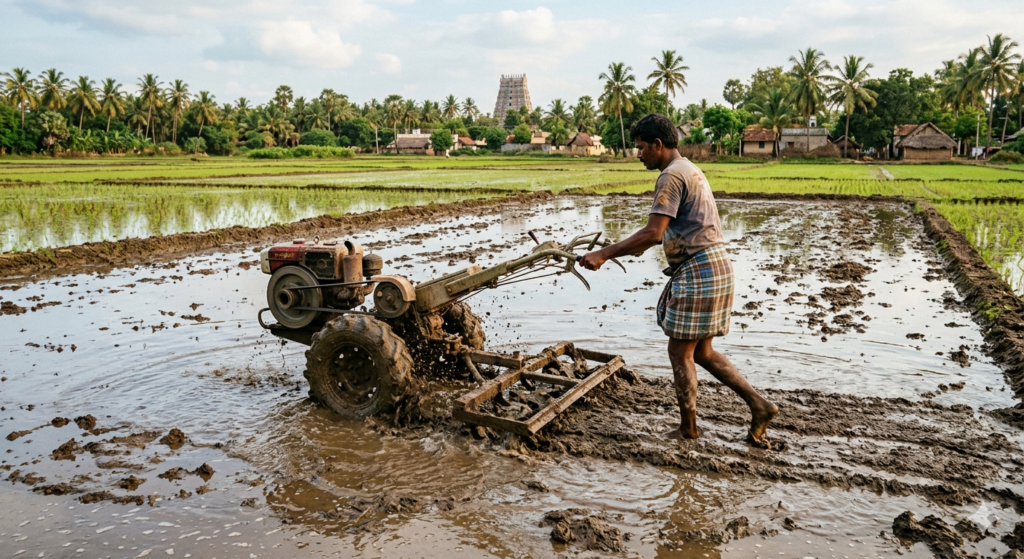
b. Even though traditional wooden ploughs work well for small farms, while tractor-drawn ploughs help cover large areas quickly.
c. Additionally, farmers may use shallow or deep ploughing depending on soil conditions.
d. Finally selecting the right method, they can improve soil structure and crop performance.
3.Best Practices for Effective Ploughing
a. Most importantly farmers should plough the land during the early dry season for better results.
b. However, they must avoid over-ploughing, as it can lead to soil erosion and loss of nutrients.
c. Instead, they should combine ploughing with organic manure to enhance soil fertility.
d. Overall these practices will make you to maintain soil health and improve crop yield.
Ploughing Dry Lands – Benefits
a. In particular ploughing for dry crops supports better soil management and sustainable farming.
b. In deed it improves aeration, conserves moisture, and reduces weed growth.
c. To conclude, proper ploughing techniques will help you to achieve higher productivity and long-term soil health.
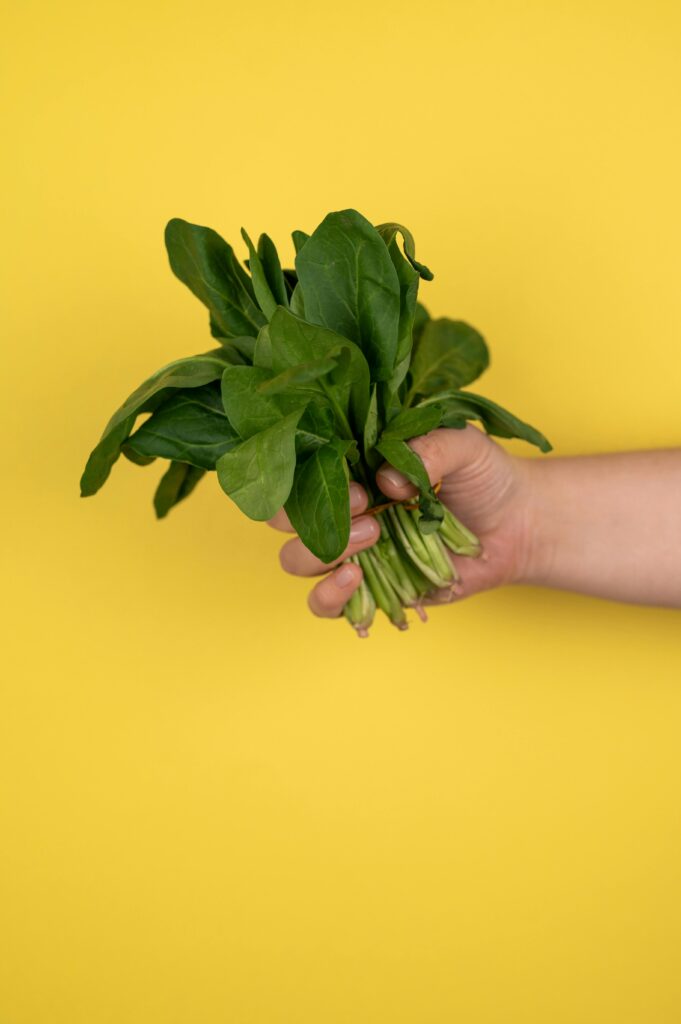
Spinach are widely used in organic farming and healthy cooking.
Thank you for nice information
It’s very good information